Invest Qatar Chief Executive Officer H E Sheikh Ali bin Alwaleed Al-Thani
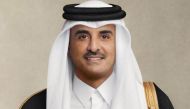
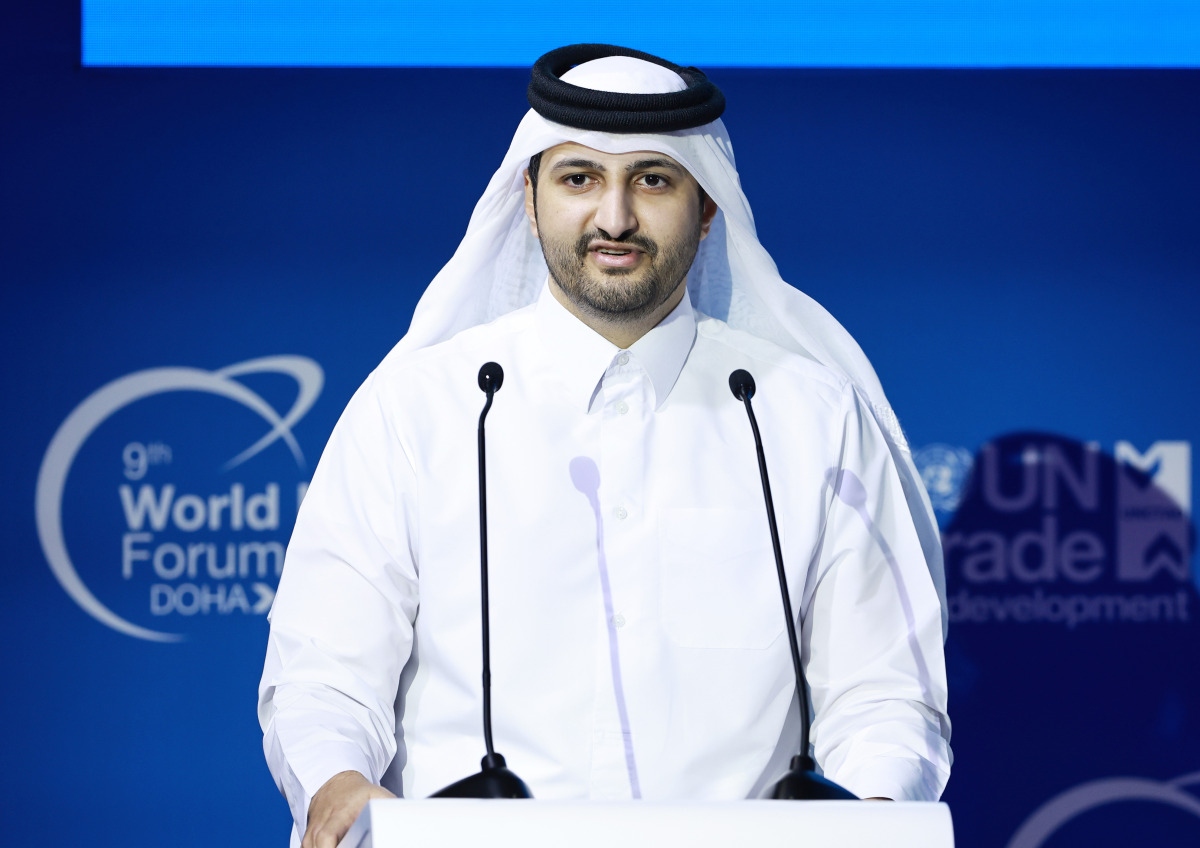
Doha, Qatar: Invest Qatar Chief Executive Officer H E Sheikh Ali bin Alwaleed Al-Thani delivered a keynote address at the panel ‘Global Investment Promotion Conference: From Climate Priorities to Investment: Accelerating the Energy Transition Project Pipeline,’ held yesterday at the UNCTAD World Investment Forum 2026, highlighting the nation’s efforts to attract strategic investment and advance sustainable economic development.
The session convened investment promotion leaders and policymakers to discuss how countries can translate climate priorities into bankable projects, mobilise private capital and accelerate the deployment of clean energy infrastructure.
Sheikh Ali’s address focused on Qatar’s investment promotion efforts and initiatives to strengthen its position as a competitive destination for international investors.
Qatar continues to pursue economic diversification and attract international investment across priority sectors, supported by its national development objectives and efforts to build a business environment conducive to long-term growth.
The session provided an opportunity to highlight the role of investment promotion agencies in connecting global capital with strategic projects and emerging opportunities associated with the energy transition.
Discussions throughout the session also examined how institutional coordination, policy frameworks and investor-focused services can help overcome barriers to financing and accelerate the development of clean energy projects.
Chairman of Invest Bangladesh, Ashik Chowdhury, highlighted institutional reform as a practical way to improve investment facilitation and strengthen the delivery of major projects. “By merging all these agencies, we tried to create a single point of entry, the starting point,” Chowdhury said, describing Bangladesh’s efforts to consolidate its investment promotion functions.
He explained that the country had brought investment-facing institutions, industrial parks and public-private partnership functions under one organisation to streamline the investor journey, from initial engagement and policy development to project execution.
Using utility-scale solar as an example, Chowdhury said the integrated structure could help identify international investors, secure suitable land, address policy requirements and develop bankable transactions.
“All these different wings together are now just one institution,” he said, adding that the approach could help galvanise and fast-track clean energy projects in the pipeline, spanning solar, waste-to-energy and nuclear power.
The experience illustrated a central theme of the discussion, which is ‘accelerating energy transition investment requires more than capital availability.’ It also depends on institutions capable of coordinating government functions, addressing investor concerns and moving projects from planning to implementation.
The panel took place against a backdrop of wider geopolitical and economic uncertainty, which continues to shape investment decisions and international cooperation.
The panel also noted the role of investment promotion agencies in bridging policy ambitions and private-sector participation, particularly as countries seek to finance infrastructure and meet climate-related objectives.