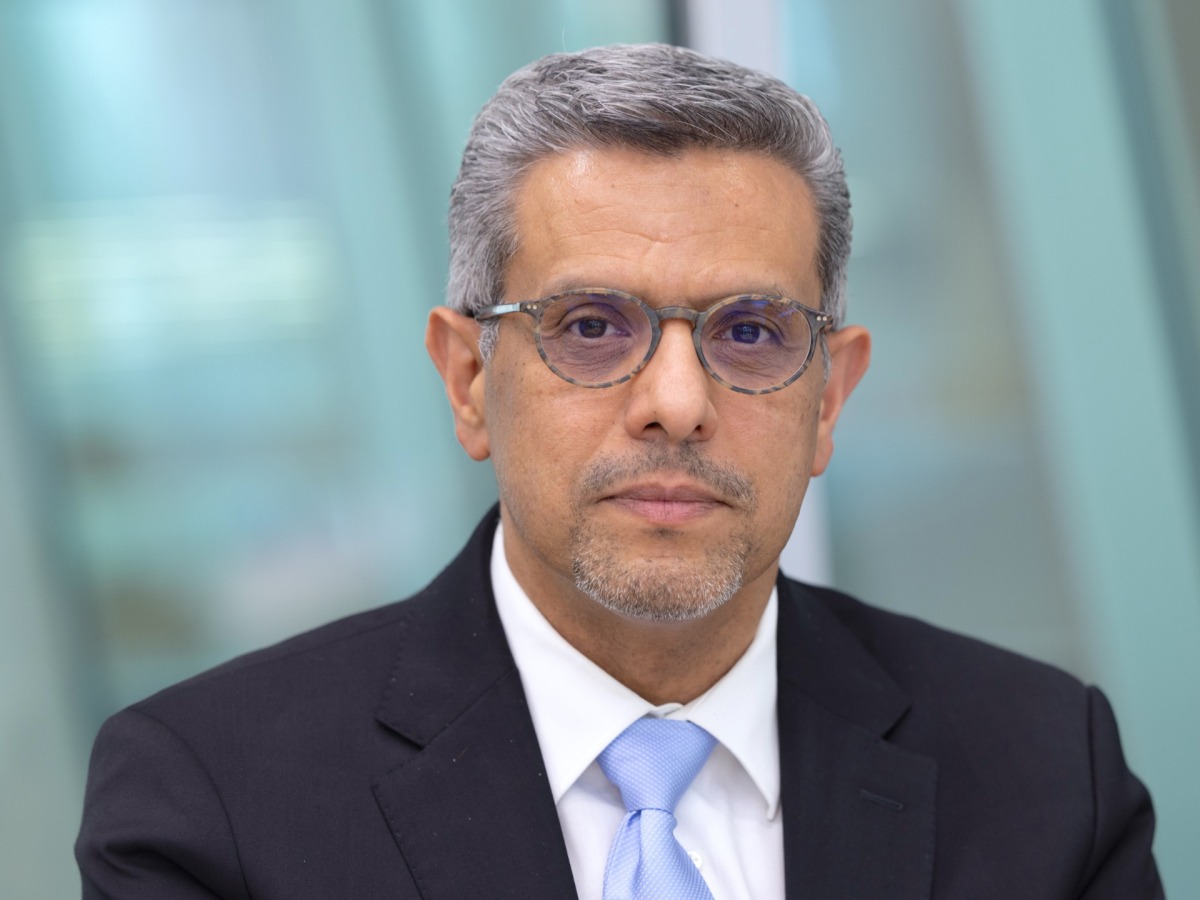
Prof. Hilal A. Lashuel, professor of neuroscience in neurology at Weill Cornell Medicine-Qatar (WCM-Q),
Doha, Qatar: Prof. Hilal A. Lashuel, professor of neuroscience in neurology at Weill Cornell Medicine-Qatar (WCM-Q), a Qatar Foundation partner university, has been awarded a $9m, three-year research grant from Aligning Science Across Parkinson’s (ASAP) in partnership with The Michael J. Fox Foundation for Parkinson’s Research (MJFF).
Prof. Lashuel is the lead and coordinating principal investigator of the project, which brings together an international team that includes Stanford University researchers Prof. Marius Wernig, Prof. Monther Abu-Remaileh, and Prof. Michael C. Bassik, alongside US biotech company Arvinas, Inc. The team will investigate new approaches to selectively target toxic protein aggregates associated with Parkinson’s disease.
The grant reflects the growing international impact of WCM-Q and Qatar Foundation’s biomedical research efforts, particularly in translational and collaborative science. The project will become part of ASAP’s Collaborative Research Network, a global initiative focused on accelerating discoveries in Parkinson’s disease research.
Prof. Lashuel, who is also research development and innovation advisor to the chairperson of Qatar Foundation and executive director of RDI within the Qatar Foundation Chairperson’s Office, described the award as recognition of decades of scientific work and collaboration.
“ASAP is unique in combining long-term funding with access to a global network of leaders in Parkinson’s research and technologies no single laboratory could assemble alone,” he said. “This gives us an exceptional opportunity to advance understanding of disease mechanisms and generate insights that may inform future therapeutic approaches.”
Parkinson’s disease is the fastest-growing neurological disorder globally, affecting more than 10 million people, with numbers expected to double by 2040. Current treatments only manage symptoms and do not slow or reverse the disease.
The research team aims to answer critical questions about how these protein aggregates form, spread, and damage neurons, and how the brain attempts to clear them. Unlike many previous efforts focused on preventing protein aggregation, this project targets the brain’s failure to remove aggregates once they have formed.
If successful, the research could help identify new therapeutic pathways for Parkinson’s disease and potentially inform treatments for related neurodegenerative disorders, including Alzheimer’s disease, Lewy body dementia, and multiple system atrophy.
WCM-Q Vice Dean for Research, Innovation, and Commercialisation Prof. Khaled Machaca said the award highlights the evolution of WCM-Q’s research programmes and Qatar Foundation’s growing role in impactful biomedical science.
Dean of WCM-Q Prof. Javaid Sheikh described the initiative as a project of “great significance and promise” with the potential to address a debilitating disease affecting millions worldwide.
The award follows a separate $1.6m MJFF grant announced earlier this year supporting collaboration between the Lashuel Lab at WCM-Q and Nautilus Biotechnology to further study the role of alpha-synuclein in Parkinson’s disease.