By Satish Kanady
DOHA: Nakilat, the shipping arm of Qatar’s liquefied natural gas (LNG) sector, yesterday announced it is in active partnership with the international shipping community to mitigate marine pollution caused by maritime transport.
Nakilat will join hands with the Society for Gas as Maritime Fuel’s (SGMF) efforts to encourage the maritime transport industry to move towards using natural gas on board ships as a prime source of energy propulsion. SGMF in a newly-launched NGO committed to promote safety and industry best practices in the use of gas as marine fuel.
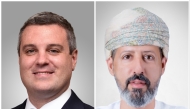
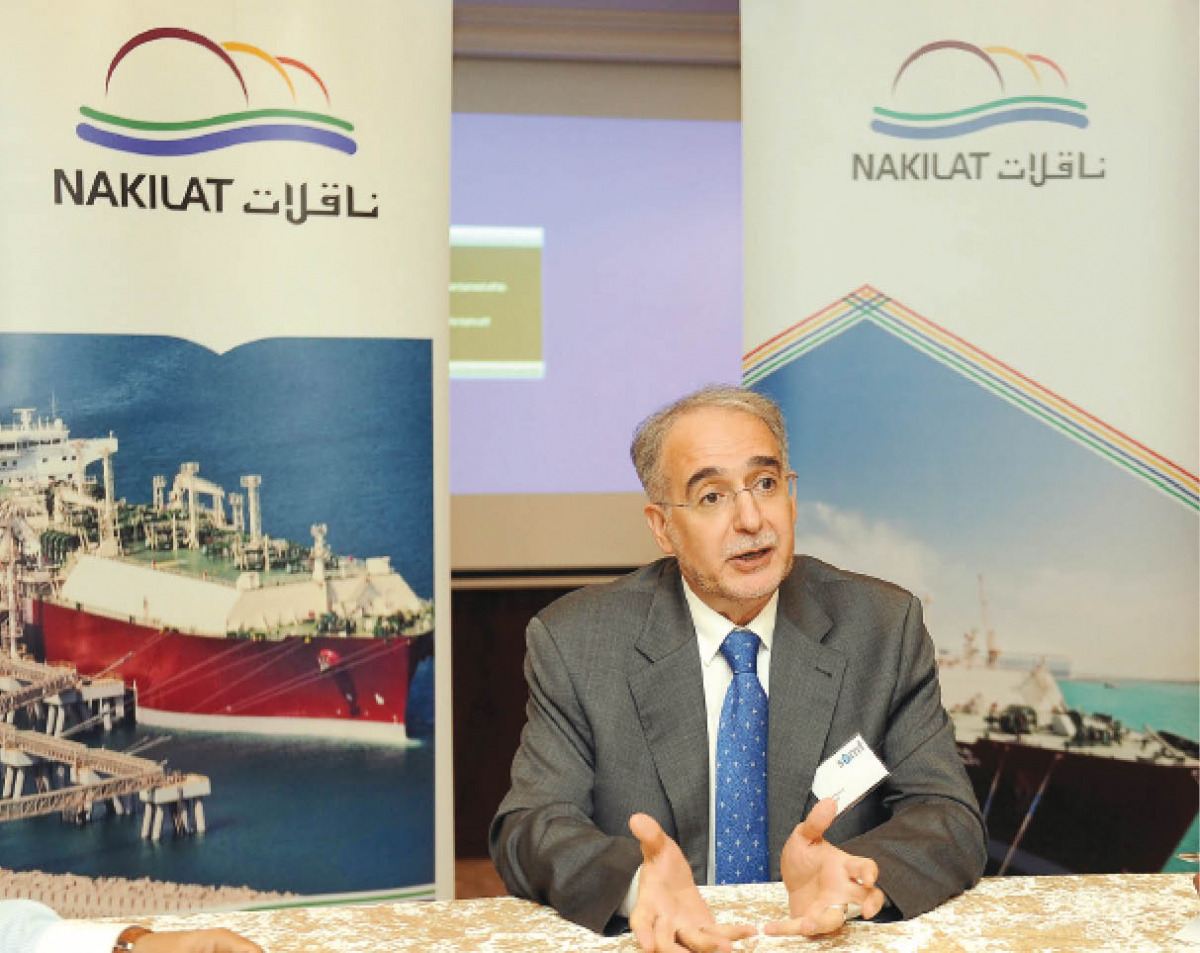
“International shipping community is facing a challenge to find alternative fuel that would reduce sulphur emission from the maritime transportation. Our partnership with SGMF is part of our global responsibility”, Samir Bailouni, Director, Fleet Management, Nakilat said yesterday.
The SGMF is currently networking with more than 100 companies across the world. The Society’s role is primarily to work on how to promote gas as an alternative fuel for shipping industry. Liquefied natural gas (LNG) is the most cost-effective way of transporting natural gas over very long distances. “Nakilat has already converted a Q-Max vessel to use LNG as an alternative to heavy fuel oil in the main engines. Discussions are progressing with our charters like Qatargas and RasGas to convert more”, he said.
Increasing concern over the impact of human activities on our environment is encouraging the maritime transport industry to move towards using natural gas on board ships as a prime source of energy for propulsion. This trend is being reinforced by national and international regulation, led by the International Maritime Organisation (IMO), with its Emission Control Areas (ECAs).
The use of natural gas as a fuel is one way of complying with the increasingly strict regime governing emissions of harmful atmospheric pollutants, such as nitrogen oxides (NOx) and sulphur oxides (SOx), and reduces the carbon footprint of ship operations.
IMO, a United Nations body, controls and regulates many aspects of the global shipping business. IMO, through its marine pollution protocol (MARPOL), is working to reduce emissions of sulphur and particulate matter worldwide by 2020 or 2025. The timescale will depend on whether worldwide refining capacity is sufficient to allow the reduction in sulphur content in fuels from 3.5% now to 0.5%.MARPOL also requires reductions in nitrogen oxide emissions worldwide, but these limits depend on engine size and speed. The limits worldwide are based on Tier II limits, implemented in 2011. The Peninsula