Doha, Qatar: Recycling factories are emerging as a key pillar of Qatar’s drive to promote environmental sustainability and develop a circular economy, with growing private-sector participation helping transform waste into valuable resources.
The expansion of recycling industries is particularly evident in the Al Afjah Recycling Industries Zone, where the number of designated factories has reached 61, including 29 operational factories, 19 under construction and 13 at development stages.
The growing cluster is providing a dedicated base for companies involved in recovering and reusing materials, while supporting greater private-sector participation in waste management.
Among the companies contributing to this growing recycling ecosystem is Al Reem Recycling Factory, which processes used lead-acid batteries and converts them into materials that can be reused in manufacturing.
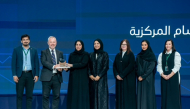
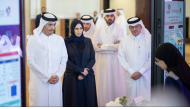
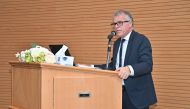
Speaking to The Peninsula on the sidelines of the sixth Recycling Towards Sustainability Conference and Exhibition 2026, which held in Doha recently, Shahad Muhammadali, representing Al Reem Recycling Factory, said the factory has been operating for around three years at Al Afjah, near the Solid Waste Management System area.
“We collected from the scrap batteries and we are processing. And, our final output material we are selling to the battery manufacturer,” Shahad said.
The factory currently has a capacity of five tonnes per hour and operates with an automated system designed to maximise recovery while minimising waste. For Shahad, the value of battery recycling goes beyond recovering materials, as it also helps ensure that potentially hazardous waste is handled safely and responsibly.
“The batteries are highly hazardous,” he said, explaining that the company works with garages and other sources to collect used batteries through authorised recycling channels. Shahad highlighted the importance of government support in developing the recycling industry, saying the company has been provided land in the designated recycling area.
“Government is highly supporting,” he said, adding that efforts are also under way to increase the direct flow of scrap batteries from generators to recycling factories. He said this would help reduce the role of intermediaries and ensure that hazardous materials are handled by authorised recyclers.
Technology is another important part of the operation. The factory uses imported Italian technology and an automated production system, which Shahad said helps reduce manpower requirements while increasing productivity.
“It is an auto-mechanized system. So, less manpower and more productivity,” he said. The company currently exports its recycled products and has the necessary export licences and approvals, while continuing to explore opportunities to expand its presence in the local market.
Shahad described the recycling business as promising, while noting that the availability of scrap batteries remains an important factor for the industry. “So far, I am very good,” he said when asked about the prospects of the business.
The experience of Al Reem Recycling Factory reflects the broader development taking place at Al Afjah, where Qatar is building an expanding industrial base for recycling and resource recovery. By providing dedicated infrastructure for recycling industries, the zone is creating opportunities for investment while supporting the recovery and reuse of materials that would otherwise become waste.
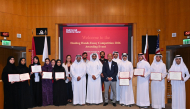
In the context of strengthening public-private partnerships, representatives of participating companies underscored the important role played by the Ministry of Municipality in supporting national companies specialising in recycling and sustainability, and in providing a supportive environment for developing projects and solutions that contribute to transforming waste into resources of economic and environmental value and consolidating the principles of the circular economy in Qatar.
In this regard, Mohammed Ahmed, Head of Public Relations and Communication at Al Awalia, praised the pivotal role played by the Ministry of Municipality in supporting the private sector and strengthening partnerships with it in the fields of recycling and sustainability. He stressed that cooperation between the two sides represents a strategic partnership that supports the State’s drive towards a circular economy, particularly in recycling construction and demolition waste and expanding the use of recycled materials in various projects.
He commended the Ministry’s continued support, as well as its efforts to facilitate related procedures, noting that this cooperation helps create a conducive environment for developing innovative and sustainable solutions. He expressed the company’s aspiration to continue and expand this partnership in the coming period in a way that supports the transformation of waste into value-added resources, conserves natural resources and enhances the efficiency of material use across various projects.