By Satish Kanady
DOHA: The GCC region’s economic growth is projected to slow, with IMF projection suggesting 3.2 percent in 2015 and 2.7 percent in 2016, compared to 3.4 percent in 2014.
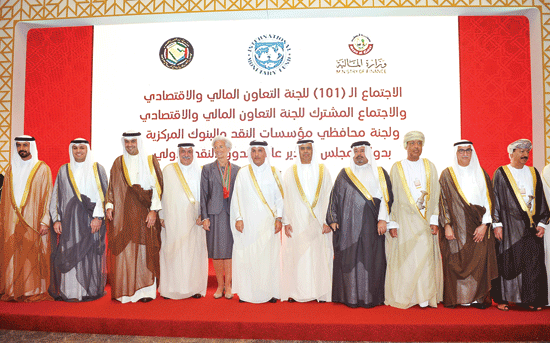
Addressing the joint meeting of the GCC Committee on Financial and Economic Cooperation here yesterday, IMF Managing Director Christine Lagarde said the fiscal and current account balances in the region are deteriorating sharply, with the fiscal balance projected by the IMF to be in a deficit of 12.7 percent of GDP in 2015.
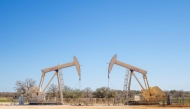
“At the moment, a large share of fiscal and export revenues in the GCC come from oil. With oil price shaving declined sharply since mid-2014, export revenues are expected to be nearly $275bn lower in 2015 than in 2014.”
Lagarde stressed the need for GCC nations putting prudential fiscal policies in place. The governments need to reduce their current spending growth. Public spending in mega projects is not advisable. There is also no room for public wages to be further raised, she said.
The GCC countries face the challenge of lower oil prices from a position of strength. Prudent policies over the past decade have enabled them to build up financial buffers which avoid the need for a sudden disruptive adjustment in fiscal policy. Nevertheless, with low oil prices expected to persist for a number of years, all GCC countries need to undertake some degree of fiscal adjustment, although the size and urgency of this adjustment varies across countries. Well-planned fiscal consolidation strategies need to be put in place, the IMF Chief said.
“How best to carry out this fiscal adjustment will depend on each country’s specific situation. But the main elements are common across countries: an expansion of non-oil tax revenues; raising energy prices which are still well below international norms; firm control of current spending, particularly on public sector wages; and a review of capital expenditures. Reforms to strengthen the fiscal frameworks would support these consolidation efforts,” she said.
Fiscal adjustments has already been initiated in some of the countries and certainly Qatar is one good point in case, the IMF chief said. On the financing side, the fund chief said local debt issuance can be used as a tool to support the economy. From its part, Qatar is doing it effectively.
“Banking systems in the GCC generally appear well-placed to weather lower oil prices, weaker growth, and higher US interest rates. Nevertheless, as oil revenues decrease, external financing conditions tighten, and government debt issuance increases, central banks will need to remain vigilant for stresses in the system and provide liquidity to the financial sector if needed,” Lagarde added.
The Peninsula