Doha: Qatar's Shura Council has reviewed the country's National Health Strategy 2024-2030 during its weekly sitting in Doha, with members highlighting the need to strengthen preventive healthcare, improve patient services and expand digital transformation across the health sector.
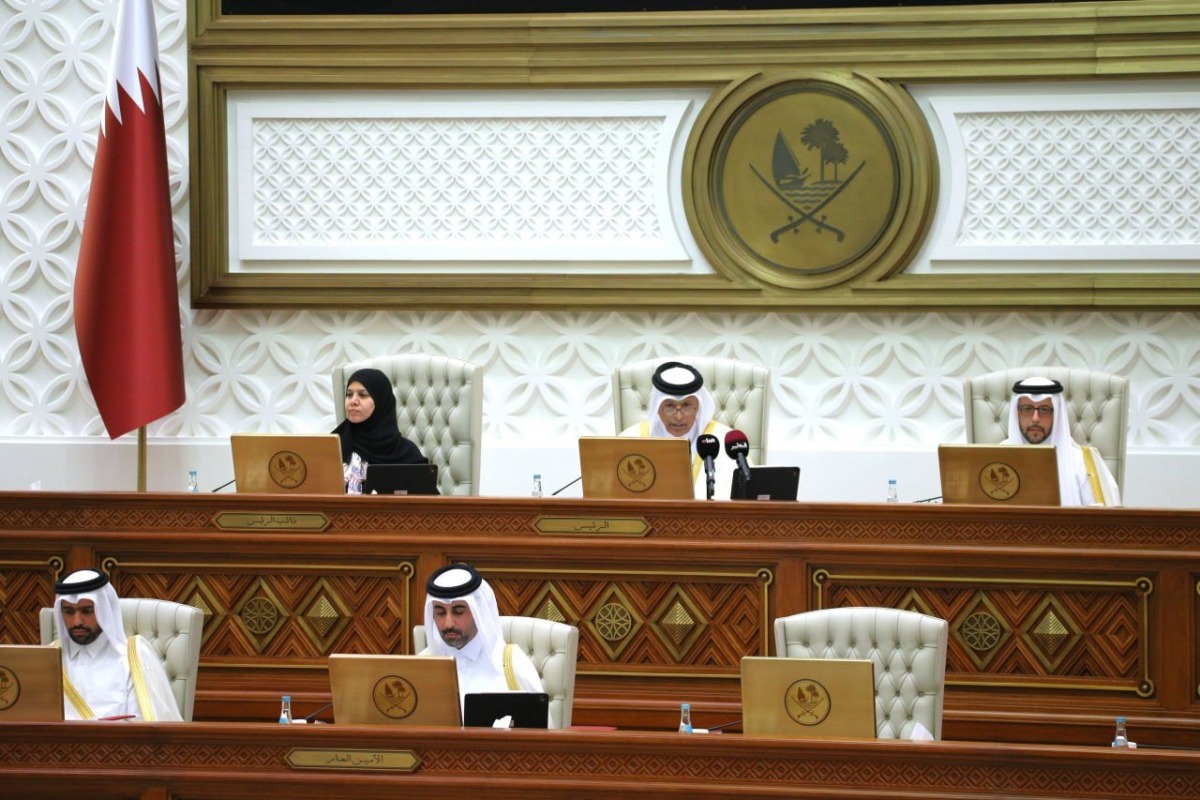
The sitting, chaired by the Speaker HE Hassan bin Abdullah Al Ghanim, was attended by Minister of Public Health HE Mansoor bin Ebrahim Al Mahmoud and ministry officials, who outlined the strategy's priorities and implementation plans.
At the start of proceedings, the council strongly condemned a drone attack targeting a commercial vessel in Qatar's territorial waters on Sunday, describing the incident as a threat to maritime security and regional stability.
Members warned that attacks on commercial shipping lanes could directly affect international trade and vital supply chains, while calling for respect for international law and freedom of navigation.
HE Al Ghanim praised the state's strong commitment to the healthcare sector under the directives of the Amir HH Sheikh Tamim bin Hamad Al-Thani, describing it as part of a broader vision aimed at improving quality of life.
He said the National Health Strategy represented an integrated framework designed to build a health-focused society supported by a sustainable and innovative healthcare system.
Meanwhile, HE the health minister said the National Health Strategy focuses on three core priorities: improving public health and wellbeing, enhancing patient experience and healthcare services, and strengthening the efficiency and resilience of the healthcare system.
HE Al Mahmoud said the strategy also aimed to tackle non-communicable diseases, including obesity and diabetes, through greater public awareness, preventive programs and early screening initiatives.
He added that the government was continuing efforts to develop the national health insurance system, improve healthcare financing and strengthen coordination between public and private healthcare providers.
The minister also highlighted plans to expand mental health services, improve emergency preparedness and accelerate digital transformation through integrated health data systems and the use of artificial intelligence in healthcare services.
Members of the council stressed the importance of reducing delays in medical appointments, improving access to services and reinforcing primary and preventive healthcare.
They also called for greater investment in medical research and innovation, alongside broader mental health awareness programs, particularly for young people.
At the close of the sitting, the council referred a draft law on the regulation of petrol stations to the Economic and the Financial Affairs Committee for further study.
HE Al Ghanim also briefed members on the participation of a council delegation in the first summit of parliamentary speakers and presidents within the Parliamentary Assembly of the Mediterranean (PAM) and the 20th PAM assembly, held in Montenegro, where discussions focused on parliamentary diplomacy and democratic resilience.
Al Ghanim told the members that his speech during the summit addressed the importance of enhancing dialogue and cooperation among parliaments to encounter regional and international challenges.