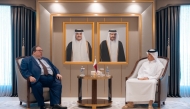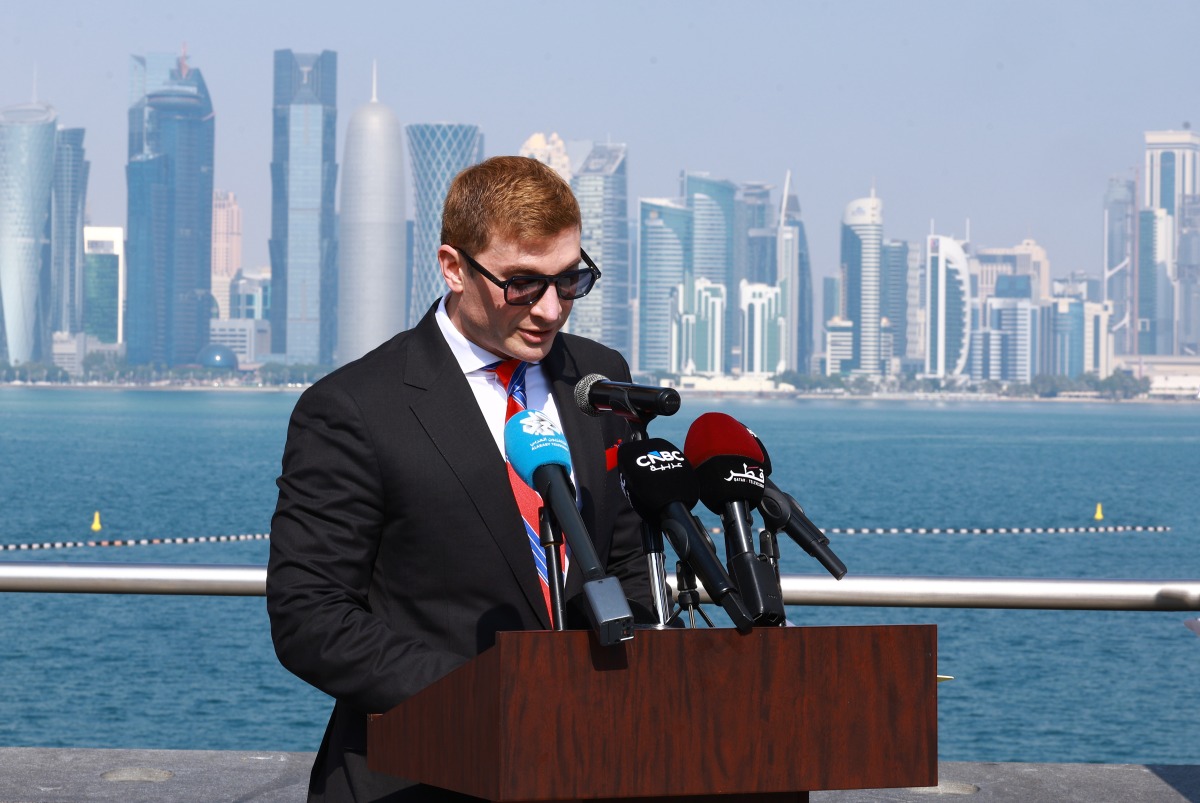
US Under Secretary of State for Economic Affairs H E Jacob Helberg
Doha, Qatar: The United States said Qatar is set to play a central role in shaping the emerging artificial intelligence-era (AI) economic order, citing the country’s growing investments in advanced technology, secure energy systems, and resilient supply chains.
The assessment came as Washington welcomed Doha’s accession to the Pax Silica Declaration, aimed at strengthening economic security cooperation in response to the rising strategic importance of AI, critical minerals, and digital infrastructure.
In a post on X, the US Embassy in Qatar said, “Congratulations to Qatar for officially signing on to the Pax Silica Declaration! With a strong focus on AI innovation, the future of the US-Qatar economic partnership continues to flourish.”
A statement released by the Office of the Spokesperson of the US Department of State said, “Qatar’s leadership and commitment to investing in secure energy, advanced technology, and critical minerals supply chains make it an indispensable partner in this effort, placing Qatar in the vanguard of nations that will drive the next stage of global economic growth.”
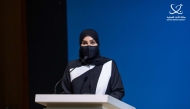
During his remarks at the signing ceremony, US Under Secretary of State for Economic Affairs, H E Jacob Helberg, stressed that the nations are witnessing a decisive shift in the region from a security framework built around oil to one grounded in what can be described as “silicon statecraft.” “Today, Qatar recognises that the currency of geopolitical power has changed. Sovereignty is no longer just about protecting borders; it is about securing the supply chains of the Artificial Intelligence era,” Helberg said.
“By signing this declaration, Qatar is not merely signing a diplomatic communiqué; it is adopting the operational document of a new economic security consensus.”
He said that under the framework, the United States and Qatar would immediately begin advancing major co-investment initiatives. These include the joint deployment of capital into critical mineral security through platforms such as TechMet, targeting Africa and other third markets.
The two countries will also work together to modernise and expand logistics infrastructure, developing new strategic corridors in key locations worldwide. In addition, they will accelerate joint ventures in artificial intelligence, focusing on building data centres and expanding computing capacity to support the next wave of global economic growth.
Helberg said, “We are gathering the nations that possess the capital, the industrial capacity, and the strategic will to secure a shared technological future defined by sovereign nations, free from coercive powers who would turn our supply chains into a geopolitical weapon.”
He added, “Qatar’s accession proves that the Gulf is ready to play a central role in this future.”