Doha: The Ministry of Labour (MoL) underlined the pivotal role of the private sector in attracting graduates and driving economic and social development by providing quality job opportunities that contribute to harnessing the potential of young people and developing their practical skills.
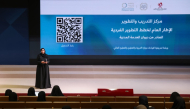
This came during the MoL’s participation, represented by the Rehabilitation and Skills Development Department, in the closing ceremony of the winter edition of the “My Career, My Future” programme. Organised by the Qatar Career Development Centre in cooperation with the Ministry of Education and Higher Education and the private sector, the programme aimed to train, guide, and raise awareness among high school students regarding suitable career paths and to empower the next generation of professionals by providing opportunities for professional experience in real work environments across various sectors in the country.
The closing ceremony included honouring partners, participants, and competition winners. Assistant Undersecretary for National Workforce Affairs in the Private Sector at the MoL, Khamis Al Nuaimi emphasised the importance of training and empowering students to identify their career paths, considering it a fundamental step in building their academic and professional futures. This helps them discover their inclinations and abilities, understand the evolving demands of the labour market, and make informed decisions based on knowledge and planning, rather than making random choices or being influenced by external pressures.
Al Nuaimi pointed out that through early career guidance, students acquire skills in setting goals, exploring opportunities, and developing themselves in line with their aspirations, thus enhancing their chances of future success and professional stability.
He explained that the private sector effectively helps bridge the gap between educational outcomes and labor market demands through training, qualification, and early employment programs. This enhances graduates’ readiness to compete and innovate, while also supporting innovation and entrepreneurship and creating a stimulating work environment based on productivity and efficiency. This, in turn, positively impacts economic diversification, increases competitiveness, and achieves sustainable development.
Al Nuaimi expressed his gratitude to the participating organizations from various sectors for their contributions to training students and helping them identify their future career paths. He emphasized the importance of the participation of such a large number of students representing diverse schools and wished them success in choosing paths that align with their interests and abilities.
The five-day training programme focused on the financial services sector, alongside selected organizations from the healthcare, logistics, manufacturing, information technology and digital services, and construction sectors. This specialized approach aimed to deepen participants’ expertise in key sectors, reflecting a shared national commitment to enhancing students’ professional readiness and supporting the development of future leaders.
The private sector institutions that provided on-the-job training for the specialized secondary school students included: Sidra Medicine, Qatar Facilities Company, Huawei Technologies Co., Ltd., Ahli Bank, Qatar Islamic Bank, General Takaful Company, Qatar General Insurance and Reinsurance Company, Commercial Bank, and Mowasalat (Karwa).
This programme was designed to familiarize participants with the objectives and expectations of the workplace, as well as the foundations of professional conduct, through hands-on experience within the host organizations. Students were given opportunities to observe daily work processes, interact directly with specialists, and gain firsthand understanding of professional roles, necessary skills, and workplace culture.