DOHA: The Managing Director of the International Monetary Fund (IMF), Christine Lagarde, lauded Qatar’s diversification efforts, with especial reference to the country’s strategic investments in the field of education and culture.
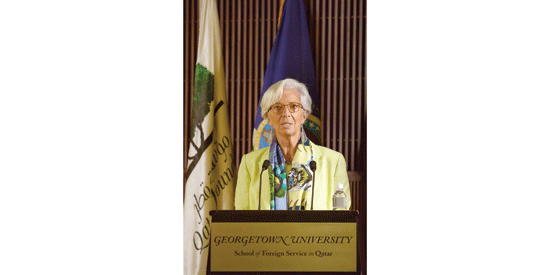
“From both a personal perspective, the IMF point of view, as well as of those who try to support development, we believe the best investments you, your parents, and your sponsors can make is to invest in education,” said Lagarde, while addressing students at the Georgetown University in Qatar (GU-Q), during her recent visit to the country. “So what you’re doing at the moment is exactly what you should be doing. This country and their leaders are doing an awful lot towards contributing to education and culture and this is a really smart way to develop people, countries, and economies,” she said.
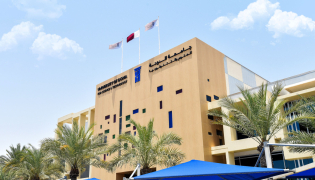
GU-Q, in conjunction with the Qatari Ministry of Finance, co-hosted IMF chief for “A Conversation with Christine Lagarde”, a public event where the university’s students along with invited students from several schools in Qatar had the opportunity to engage with her on the economic challenges facing the country, region, and worldwide, as well as the role of education in meeting those challenges.
Lagarde was in Doha to participate in the recently held GCC meeting of finance ministers and central bank governors. In bringing this event to Georgetown University, the Ministry of Finance was pleased to provide the youth of Qatar with an opportunity to discuss with Lagarde their role in shaping the future of the region’s economy, and the avenues for applying the skills they develop throughout their time in school and university.
Describing the world economic outlook from the IMF perspective as “a bit fragile, quite uneven, and incomplete transition”, she advised students to focus on a post-graduation career in the private sector and away from the traditional security of a public sector or government job. Noting the new austerity measures many countries in the GCC have pursued following the drop in oil and gas prices, she encouraged students to see the transition as a “wake up call” for single-resource economies, and to see opportunities in the new economic reality.
“What could be regarded as a negative situation can actually be transformed so that an economy continues to be working appropriately,” she added. “Other activities have to be considered, your business model will be considered, private sector jobs might be interesting, demonstrating entrepreneurship and demonstrating value by yourself may be interesting. So given market circumstances as well as geopolitical changes, I hope that you all consider multiple options, not just joining the public sector, or doing what your parents did, but do completely different things, take risks. Even if you fail, you can bounce back and try again.”
The Peninsula