Doha: Qatar said yesterday that it has invited Iran to join talks among the world’s top oil producers next month on implementing a proposed output freeze to stabilise plummeting prices.
Qatar’s Ministry of Energy and Industry said all 13 Opec members including Iran had been invited to the April 17 talks in Doha with key non-cartel producers including Russia.
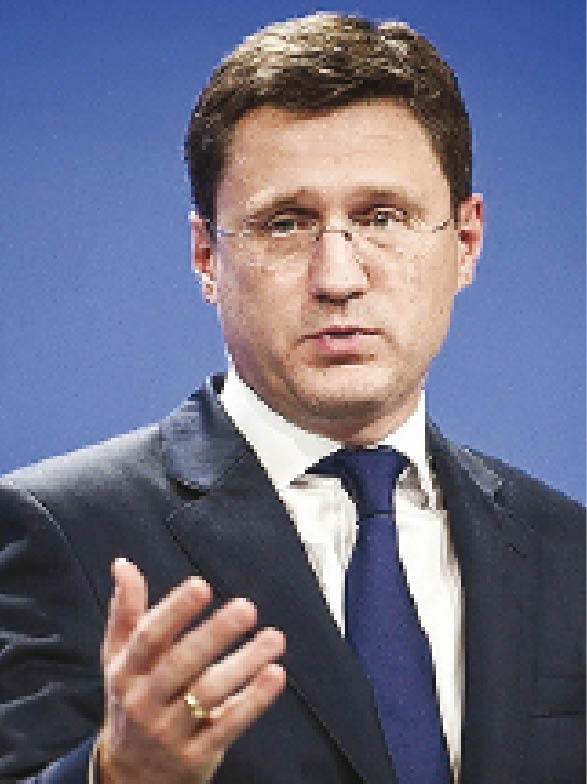
Russian Energy Minister Alexander Novak said last week that Iran had indicated it was “ready to participate” despite its demand for an exemption from the freeze to allow it to boost its exports after its return to international markets following the lifting of Western sanctions.
Iran has “reasonable arguments” not to be constrained by the freeze for now, Novak told reporters at the Russian embassy in Tehran. “Iran may join us in the freeze with time,” he said Monday. “This is a normal, constructive position from our Iranian partners.”
The prospect of an Iranian exemption has kept world crude prices under pressure, despite the increase in Iranian output so far being more than outweighed by a sharp fall in production by other Opec members, notably Iraq. Next month’s meeting in Doha is a follow-up to talks last month between Qatar, Russia, Saudi Arabia and Venezuela in which they first mooted the output freeze.
“The aim of the meeting is to reach agreement among producers on freezing their crude output at January levels in order to reduce the excess supplies on world markets in everyone’s interest,” the Qatari ministry said.
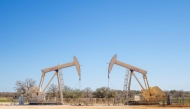
Oil prices, which have plummeted more than 60% since mid-2014 partly because of oversupply, have recovered slightly since the freeze was first mooted.
US benchmark West Texas Intermediate rose above $40 last week for the first time since December and the new contract for May delivery rose 20 cents to $41.72 in Asian trade yesterday.
According to Opec’s latest monthly report, Iran pumped out 3.1 million barrels per day (bpd) of crude in February, up from 2.9 million in January. It pumped 4.0 million bpd before sanctions were imposed over its controversial nuclear programme.
Overall production by the cartel fell by 175,000 bpd in February to an average of 32.28 million bpd, largely because of the steep drop in Iraqi output and smaller falls in Nigeria and the United Arab Emirates, the report said.
Meanwhile, a Libyan Opec delegate said in London yesterday that the country does not plan to attend an April 17 meeting of oil producers about freezing supply to support prices.
The absence of Opec members would limit the impact of any freeze by producers from the Organisation of the Petroleum Exporting Countries along with Russia, even though Libya’s output has been curtailed for many months by unrest and the chance of it increasing production swiftly is low.
“We are not going,” the Libyan delegate said, referring to the meeting in Doha next month. “Clearly, they have to allow us to go back to our production when the security situation in the country improves.”
Libya has made its wish to return to pre-conflict oil production rates clear since four countries reached a preliminary deal on freezing output in February. Other producers understand this, the delegate said. “They appreciate the situation we are in.”
The talks in Doha are expected to widen February’s initial output freeze deal by Qatar, Venezuela and Saudi Arabia, plus non-Opec Russia.
The initiative has supported a rally in oil prices, which were about $41 a barrel yesterday, up from a 12-year low near $27 in January, despite doubts over whether the deal is enough to tackle excess supply in the market.
Iran has yet to say whether it will attend the meeting. But Iranian officials have made clear Tehran will not freeze output as it wants to raise exports following the lifting of Western sanctions in January.
The potential volume Libya and Iran could add to the market is significant. But conflict in Libya has slowed output to around 400,000 barrels per day since 2014, a fraction of the 1.6 million bpd it pumped before the 2011 civil war. Iran produced about 2.9 million bpd in January and officials are talking about adding a further 500,000 bpd to exports. So far though, Iran has sold only modest volumes to Europe after sanctions were removed.
A spokesman of Iraq’s oil ministry said his country plans to attend the April 17 meeting of oil producers on freezing supply to support prices.
“We are ready to take part in the Doha meeting; the proposal of freezing output is a step in the right direction,” Asim Jihad said, adding that Iran’s request to be allowed to continue ramping up output should not be a deal breaker.
“We have no objections to take into consideration the special condition of some states, we think everything can be solved through dialogue,” he said.
Opec member Nigeria will attend the April 17 oil producer meeting in Qatar to discuss a production freeze to support prices, an oil ministry official said yesterday.
“Nigeria will be fully represented at the meeting, in fact we look forward to it,” the official said, asking not to be named. “We expect Opec to take a binding decision to stabilize the oil price. This will be beneficial to both members and non-members of Opec.”AFP & Reuters