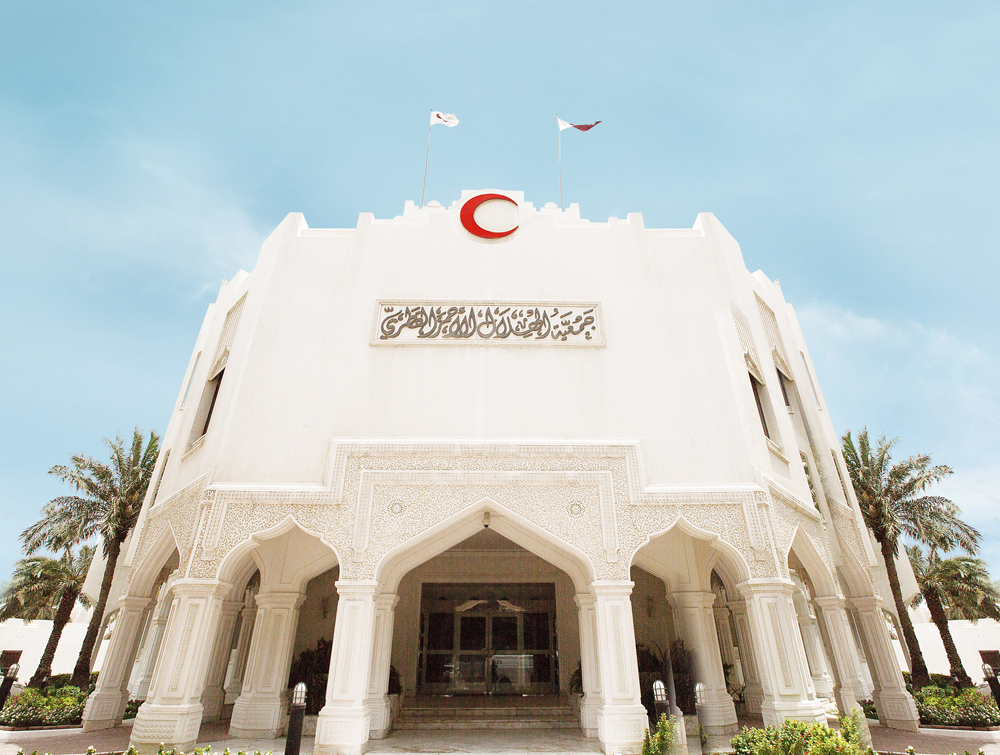
For more than 44 years now, the relief and development activities of Qatar Red Crescent Society (QRCS) around the world have attracted special attention in the international humanitarian arena. This has been recently emphasised by the mid-year report of the United Nations Office for the Coordination of Humanitarian Affairs (OCHA) Shelter Cluster Yemen, which selected QRCS as one of the partners with the highest implementation in shelter projects.
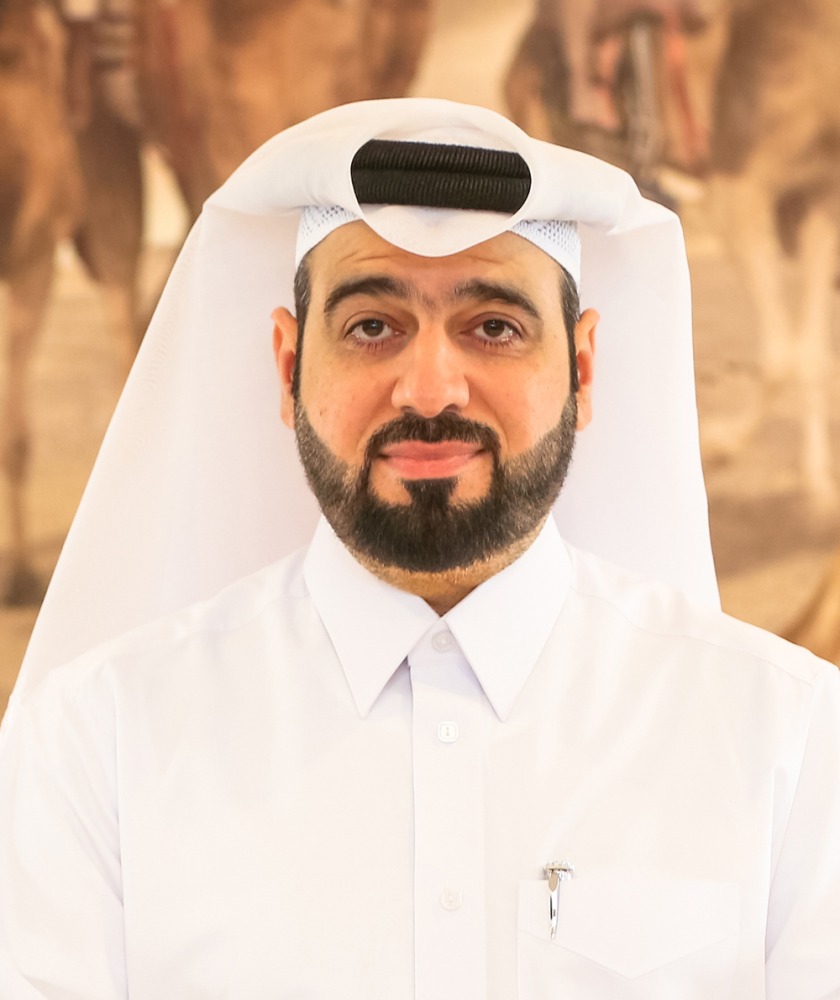
Faisal Mohamed Al Emadi, CEO of QRCS
Faisal Mohamed Al Emadi, CEO of QRCS, said, “This selection is one more testimony to our successful humanitarian strategy locally and internationally, based on a set of parameters that help more beneficiaries in the longer term.”
“We are proud to be highly trusted by our partners and supporters, thanks to the outstanding performance of our field missions and personnel, as well as the management of projects up to the highest standards of governance and transparency,” he added.
“I would like to thank OCHA for their constant cooperation with QRCS in many humanitarian interventions for the benefit of the people of Yemen, through their Yemen Humanitarian Fund (YHF).”
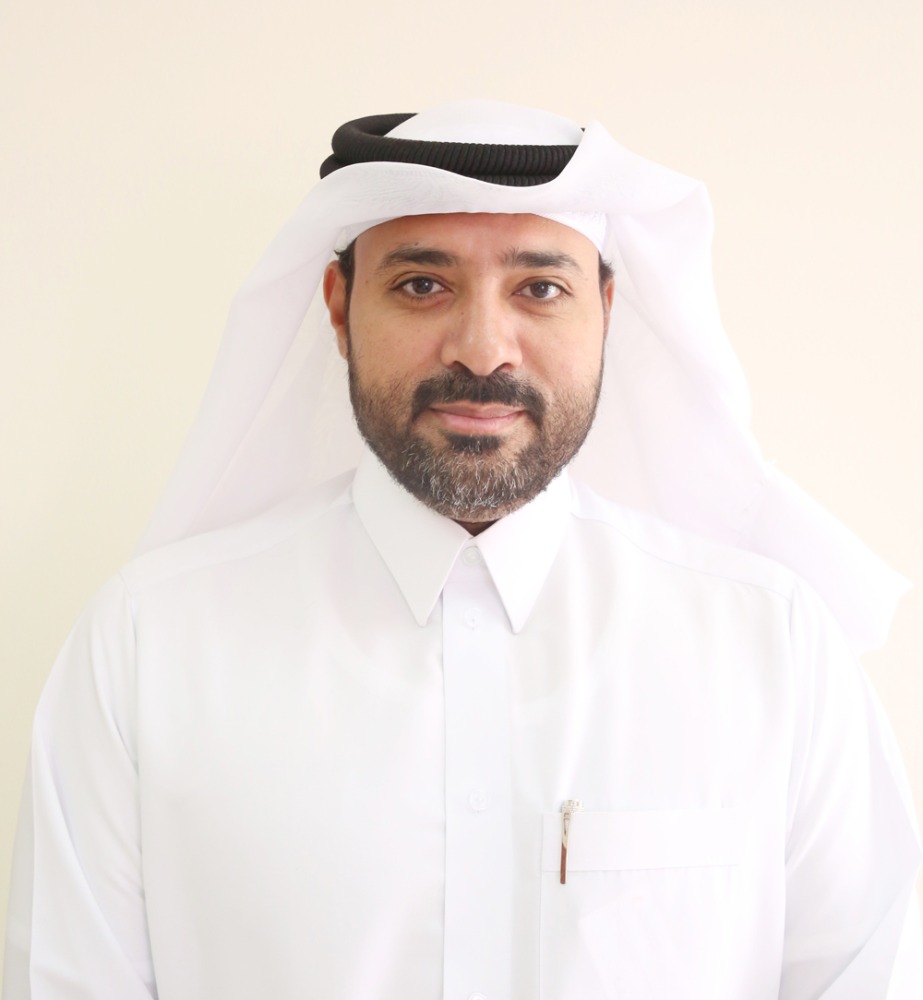
Dr. Mohamed Salah Ibrahim, Director of Relief and International Development Division at QRCS
Dr. Mohamed Salah Ibrahim, Director of Relief and International Development Division at QRCS, said the organisation had always been there for the Yemeni people. It commenced working in the country in 2012 and opened a representation office there in 2016.
“Our office in Yemen works on a wide range of multi-sector development projects, including health care, water and sanitation, shelter, and emergency relief,” he pointed out. “Examples of key medical projects include cholera control, heart disease treatment, medical training, dialysis services, primary health care, surgical interventions for war injuries, hydrocephalus treatment, rehabilitation of persons with disabilities, and medical supplies for hospitals”.
“Apart from long-term programs, our office also undertakes numerous emergency relief projects, such as providing fuel for hospitals, distributing food parcels, Ramadan Iftar provisions, winterisation aid, and several shelter projects for refugees and poor communities,” he added.