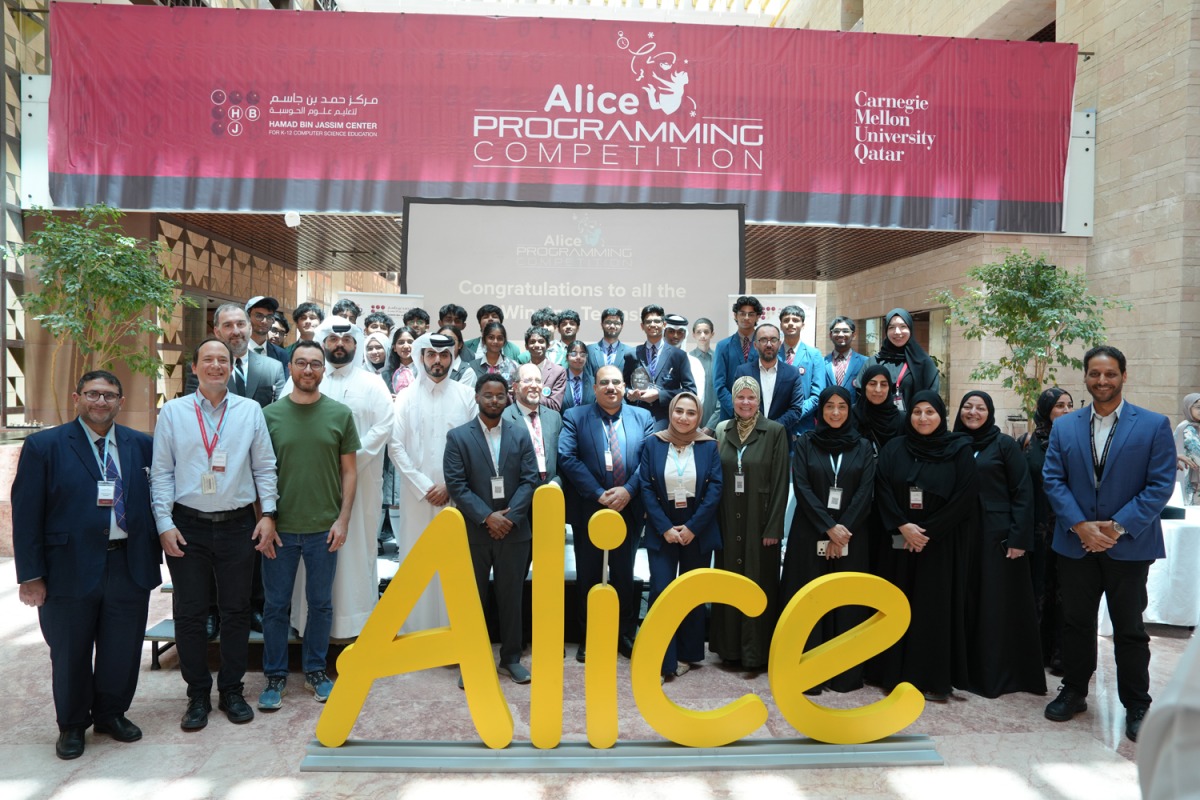
Doha, Qatar: The Hamad Bin Jassim Centre for Computing Education, a strategic partnership between Carnegie Mellon University in Qatar, one of Qatar Foundation’s partner universities, and the Jassim and Hamad Bin Jassim Charitable Foundation, organised the Alice Middle East Computer Science Competition 2026, held under the sponsorship of Doha Bank, one of Qatar’s leading banking institutions.
The exciting competition witnessed broad participation from 351 students representing more than 40 schools from across the country.
A Legacy Spanning Ten Years:
The first edition of the competition was launched in 2016 with students from only nine schools participating. Dean of Carnegie Mellon University in Qatar Michael Trick, highlighted the steady growth of enthusiasm and interest in programming over the past decade, saying: “A decade ago, we launched the first edition of the Alice Middle East Programming Competition as a platform where students could showcase the new programming skills they had developed using the Alice software. Today, we are proud to witness the positive growth the programme has achieved over ten years.
“We have succeeded in building close and productive partnerships with the Jassim and Hamad Bin Jassim Charitable Foundation and Qatar’s Ministry of Education and Higher Education, and together we have reached thousands of students and inspired many of them to move forward and deepen their engagement with the world of programming.”
Chief Executive Officer of the Jassim and Hamad Bin Jassim Charitable Foundation Ali Ibrahim Al Gharib, affirmed, “Our partnership with Carnegie Mellon University in Qatar was launched from a vision aimed at contributing to the development of Qatar’s educational landscape and enhancing the readiness of future generations for the demands of study, work, and active participation in a rapidly evolving digital world. Today, we are delighted to see the tangible impact we have made and look forward to expanding and growing our efforts to reach larger numbers of students in the future.”
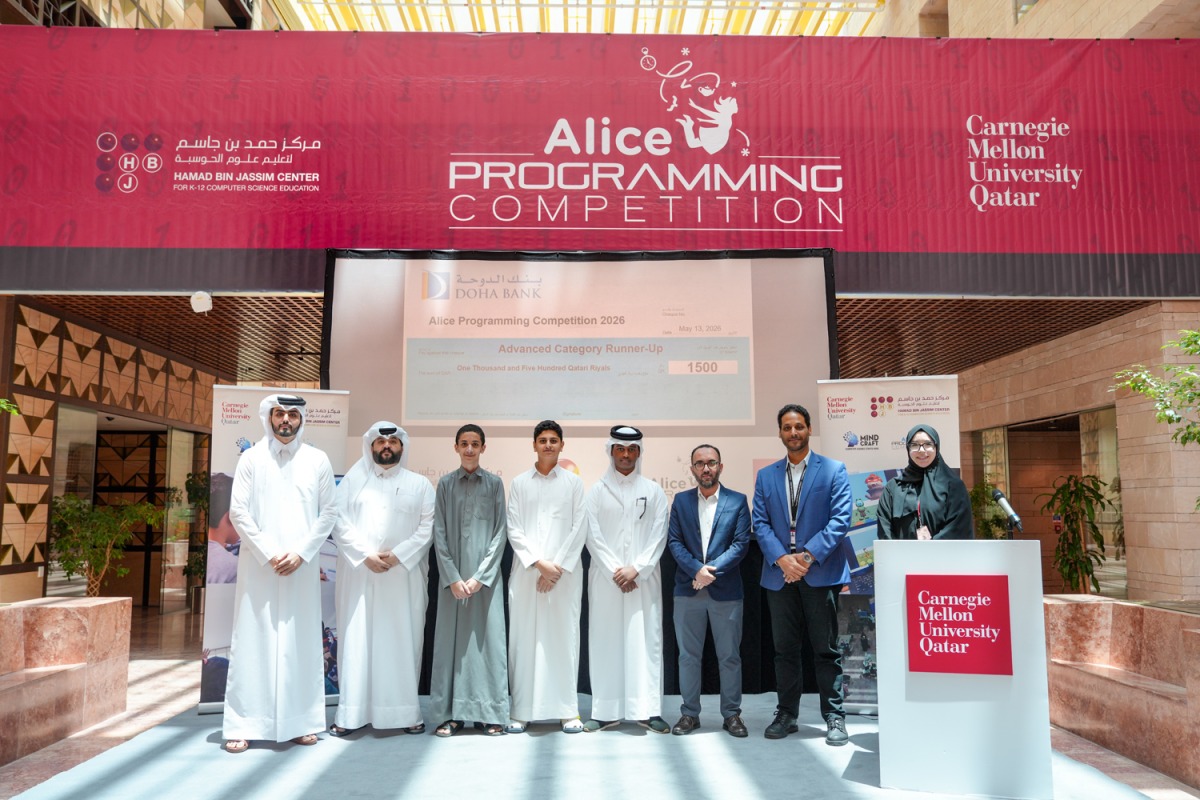
For his part, Manager of Human Resources Business Support at Doha Bank Hamad Mureet Al Hajri, emphasised the importance of the competition, stating, “At Doha Bank, we were keen to sponsor this event by providing a package of valuable cash prizes to the winning teams. This corporate sponsorship reflects a shared commitment to fostering early innovation in science, technology, engineering, and mathematics (STEM), developing human capital, and supporting the country’s transformation toward a sustainable, knowledge-based economy.”
It is worth noting that the Alice educational programme was originally developed at Carnegie Mellon University’s main campus in Pittsburgh to simplify programming concepts and teach them to children. Researchers at the university’s Qatar campus adapted and localized the programme with support from the Qatar National Research Fund, including the development of a comprehensive curriculum and bilingual guidance resources in both Arabic and English.
The centre continues to support teachers delivering the curriculum. Thanks to ongoing support from the Ministry of Education and Higher Education, the Alice Middle East Programme introduces computational thinking principles to more than 5,000 students in Qatar annually.
Supporting Global Sustainability:
This year’s competition presented a creative challenge, requiring students to apply their computing skills and innovative thinking to design interactive games and animations focused on one of four key areas of global sustainability. Thy are food security and sustainable agriculture, inclusive education and accessible learning, global cultures and digital heritage, and renewable energy and innovation.
The competition showcased projects from more than 100 teams, with 34 teams advancing to the final round. During the exhibition accompanying the final competition, a specialized judging panel evaluated the projects and selected the winners.
The panel included experts representing key national partners, namely the Ministry of Education and Higher Education, the Ministry of Communications and Information Technology, Education Above All Foundation, Hamad Bin Khalifa University, and the Qatar Computing Research Institute.
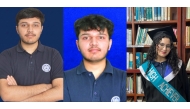
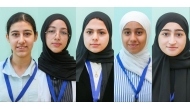
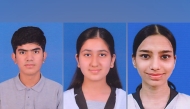
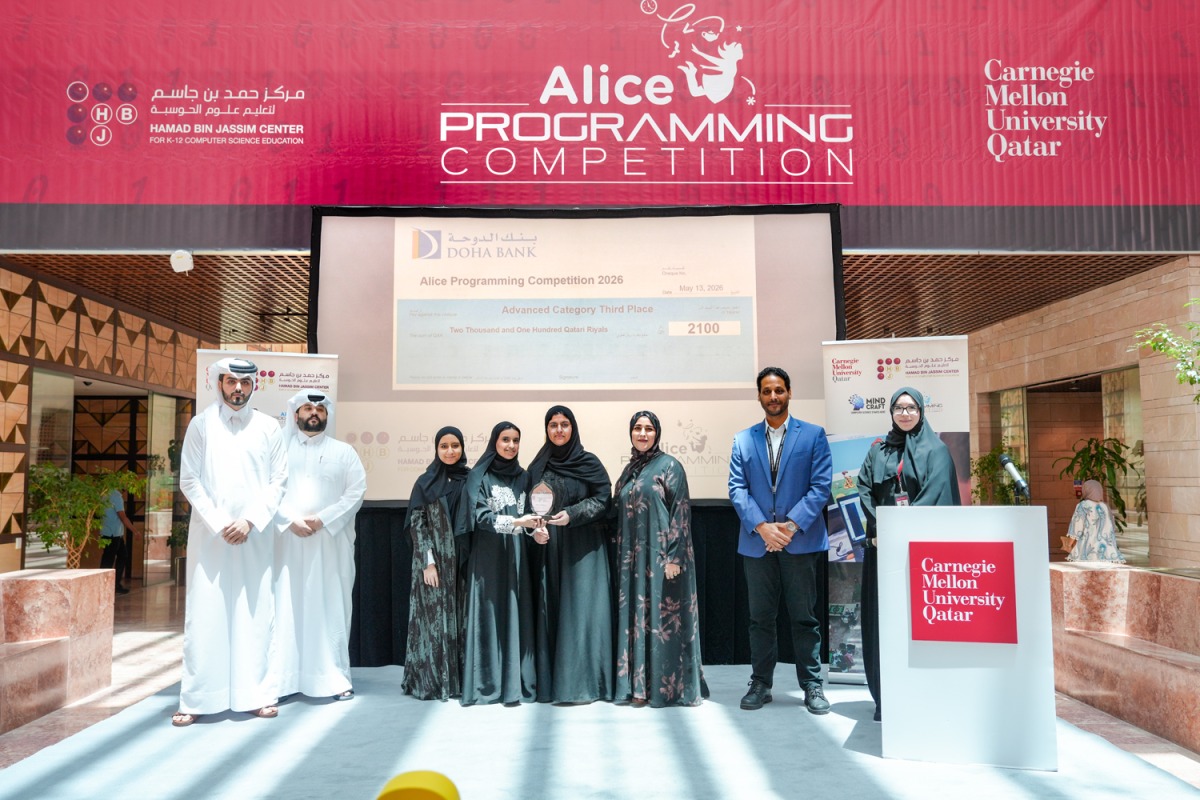
The final evaluations resulted in the following outcomes: Advanced Level: Teams from Birla Public School secured first and second places, while Al Shahaniya Preparatory and Secondary School for Girls placed third. Beginner Level: The first three places were awarded, respectively, to Podar Pearl School, DPS Modern Indian School, and Birla Public School.